

Principal Investigator
Prof. Michael Monaghan
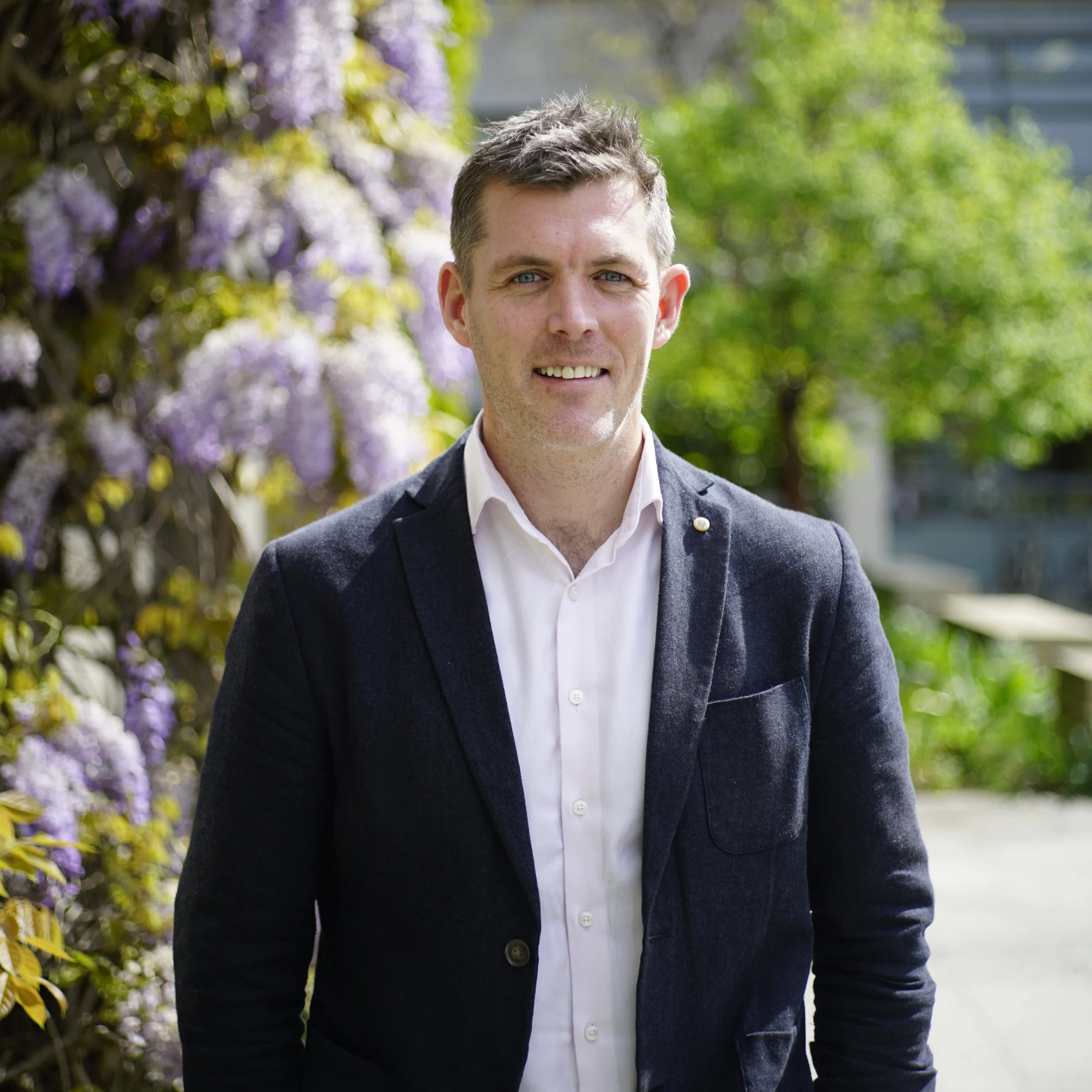
Prof. Michael Monaghan is Professor in Biomedical Engineering at Trinity College Dublin, the University of Dublin. He performed his Postdoctoral research in Germany as a recipient of a prestigious Marie Curie Individual Fellowship where his research was coordinated between the Department of Cell and Tissue Engineering in the Fraunhofer Institute for Interfacial Engineering and Biotechnology and the Department of Women's Health in University Clinic Tubingen. During this period he has published a number of key papers in the field of human valvulogenesis, embryonic stem cell research, cardiomyocyte differentiation, biomaterials and non-invasive optical characterisation (Raman microspectroscopy, fluorescent lifetime imaging (FLIM), multiphoton and second harmonic generation (SHG) imaging). Dr. Monaghan received both his B.Eng (Biomedical) and Ph.D. (Biomedical Engineering) from the National University of Ireland Galway (NUIG).
email: monaghmi@tcd.ie Google Scholar Research Gate PubMed
Researcher Team
Postdoctoral Researcher
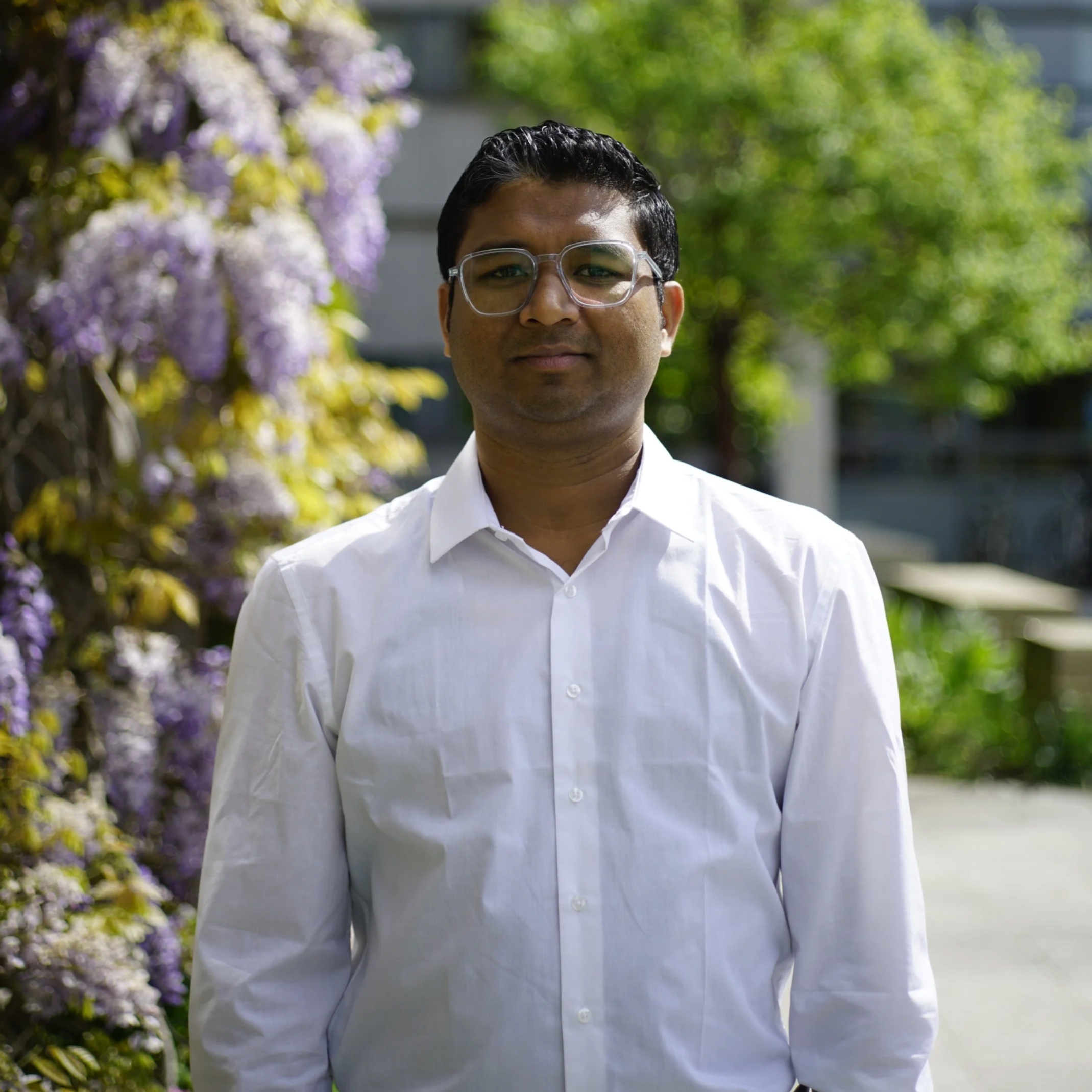
DR RAJIV BORAH
Developing a silk-based injectable electroconductive hydrogel for spinal cord regeneration application.

DR REMYA KOMMEry
Characterising extracellular vesicles derived from regenerating Zebrafish hearts.
PhD Students
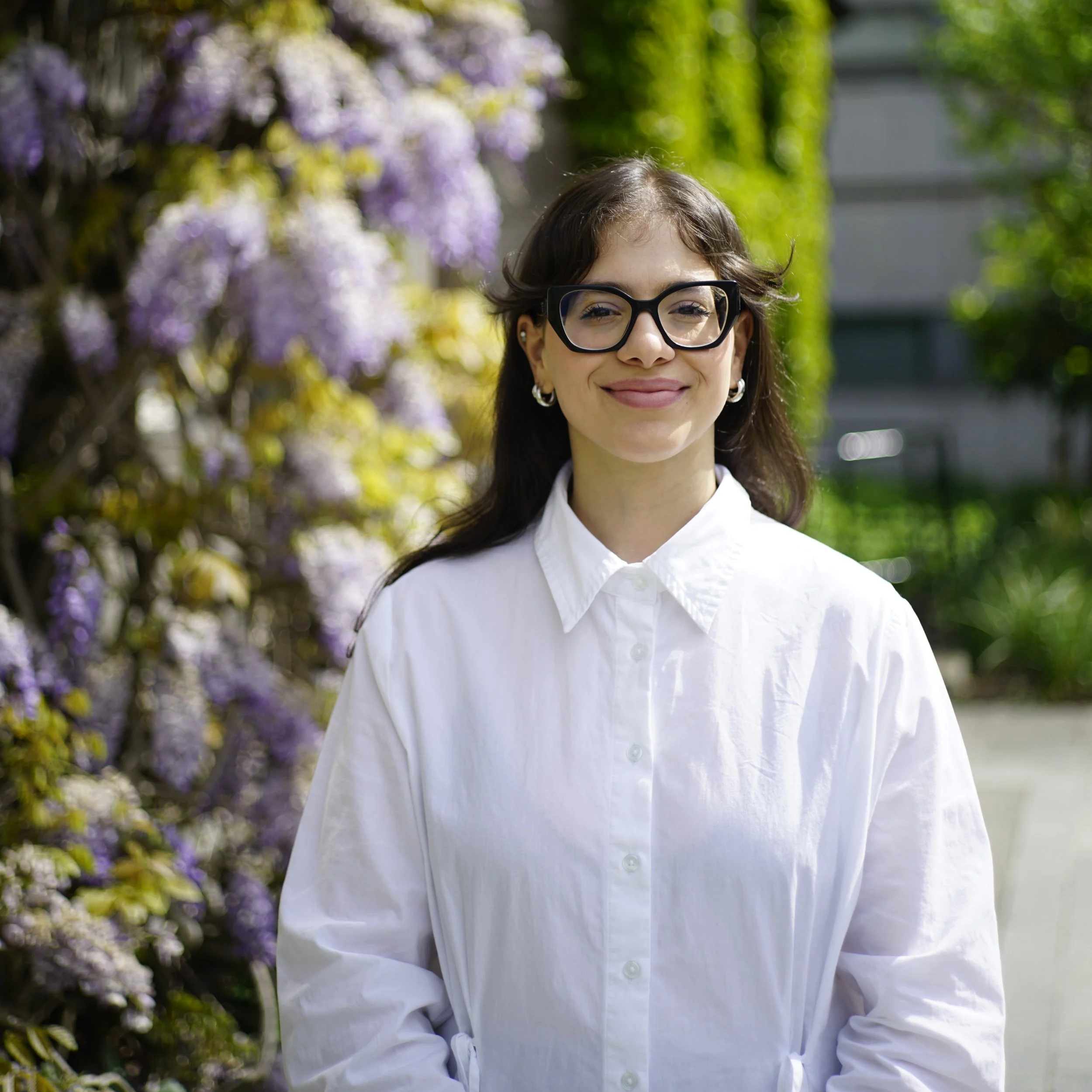
SARA CORBEZZOLO
Cardiac regeneration, developing a fully mature multicellular in vitro model of the human myocardium.
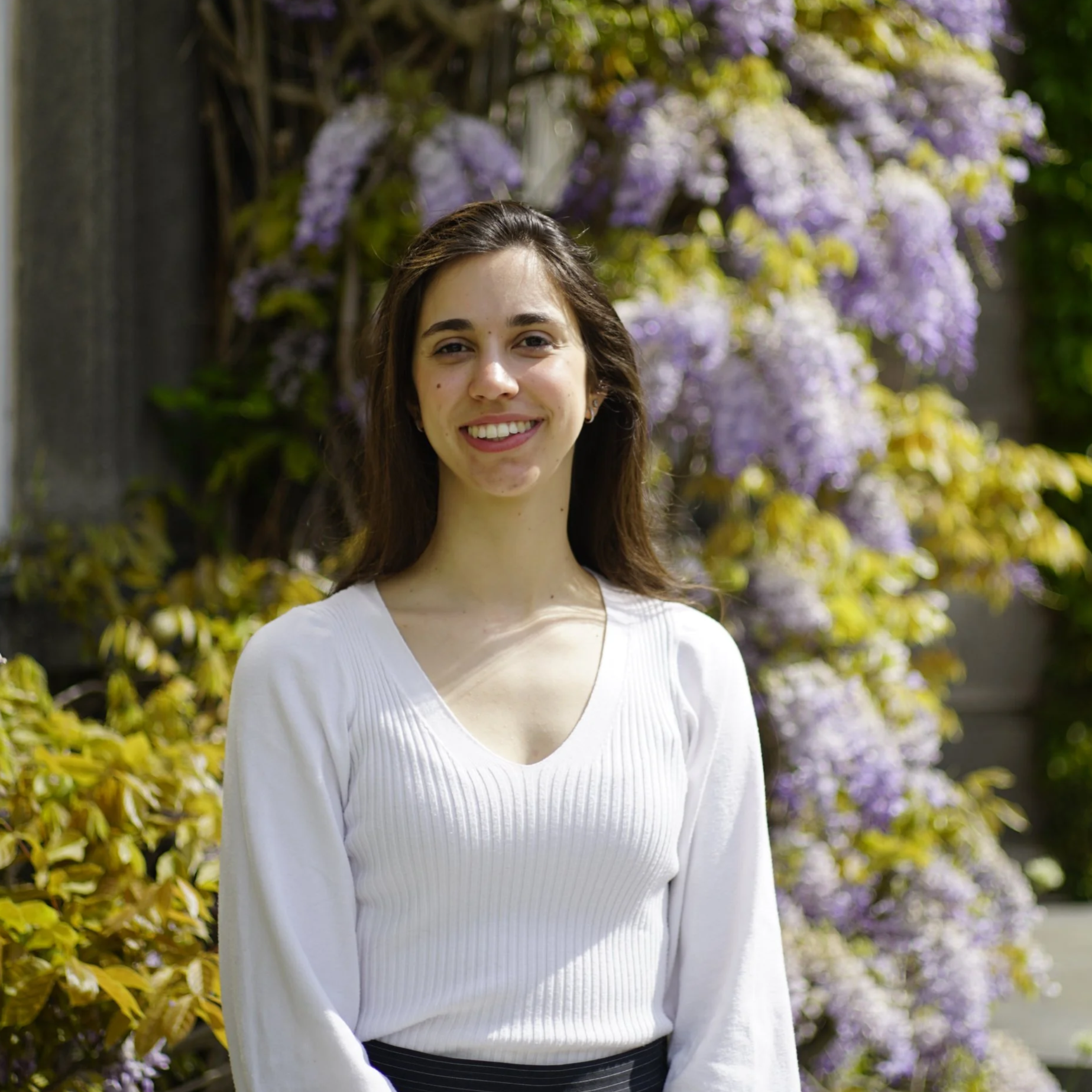
ANNALISA ROVINELLI
Focusing on the use of FLIM and its development in studying cardiometabolics.
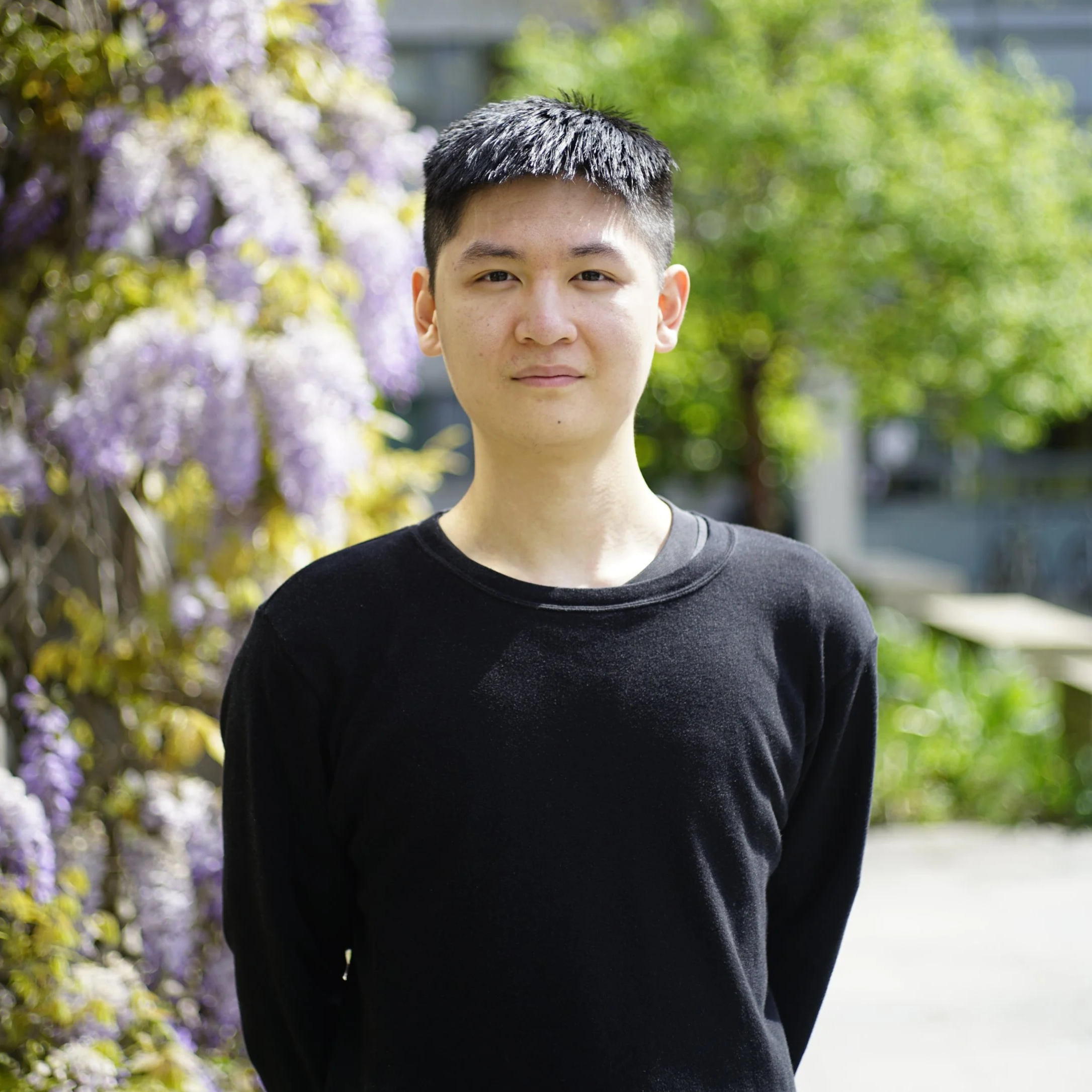
GUANGCHEN WANG
Developing a semi-automated machine learning pipeline for cell classification.
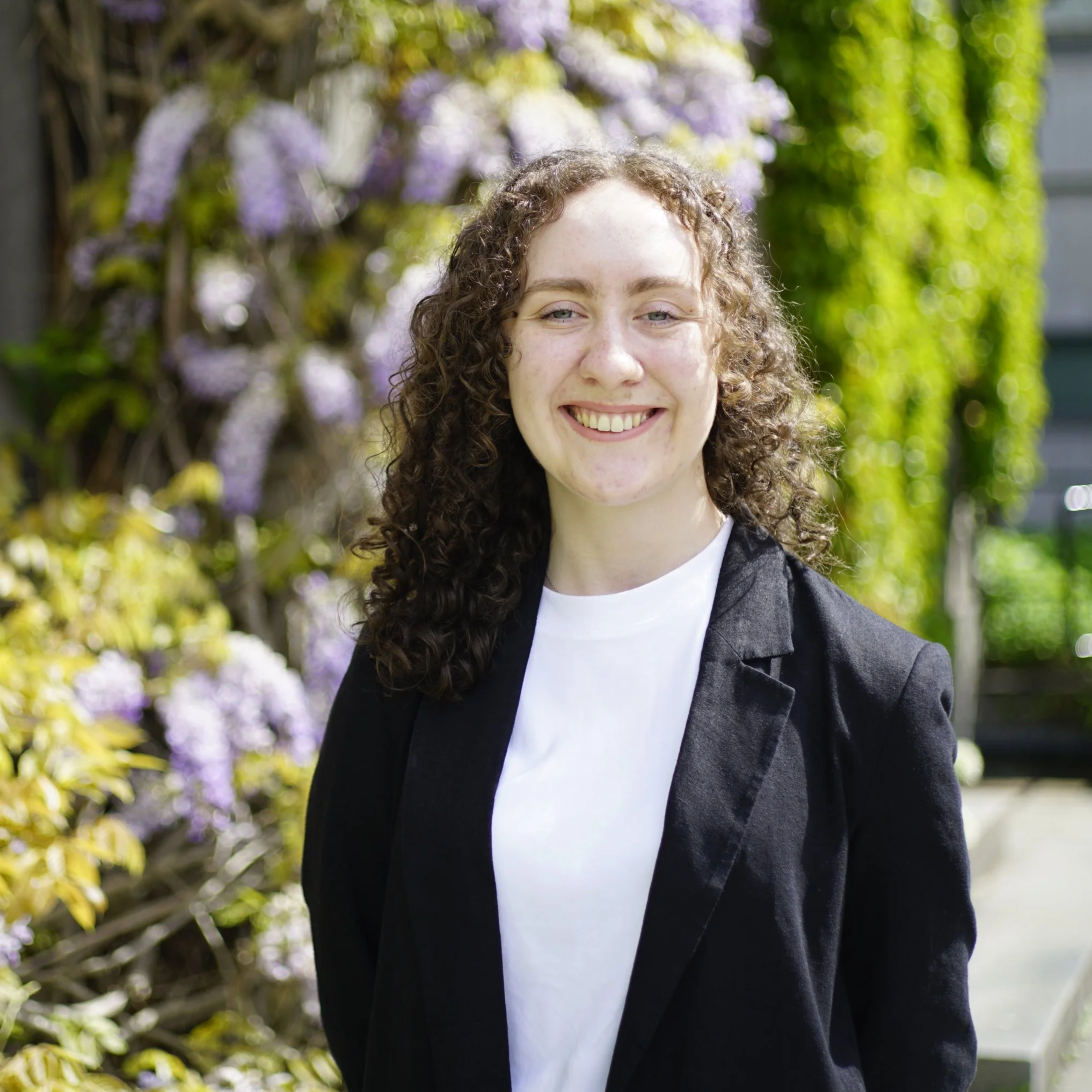
AOIFE MCLOUGHLIN
Designing a piezoelectric biomaterial blend to generate a range of electric charge for immunomodulation of cardiac resident macrophages.
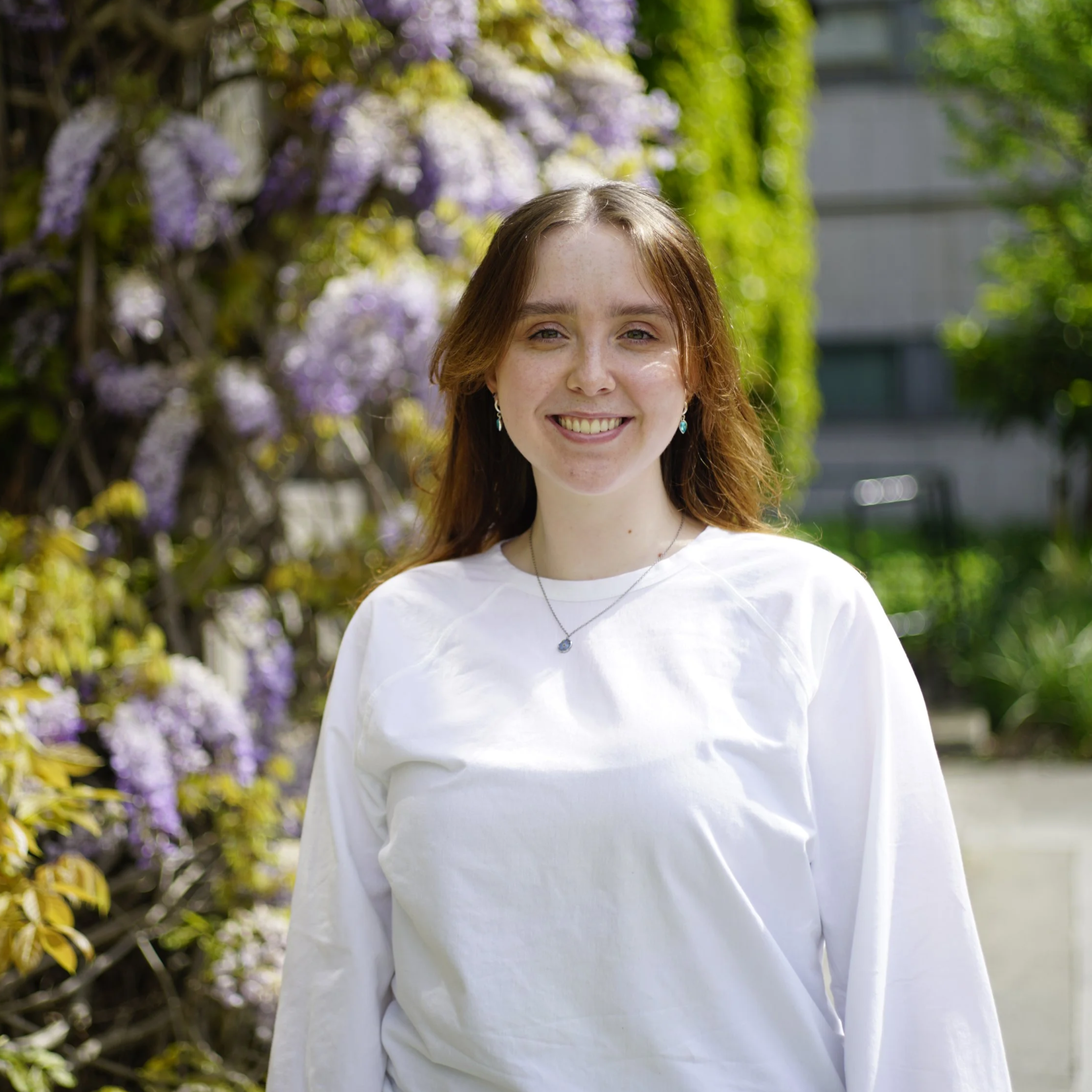
CIARA HEGARTY
Modelling the microbiome in human in vitro organoid platforms.
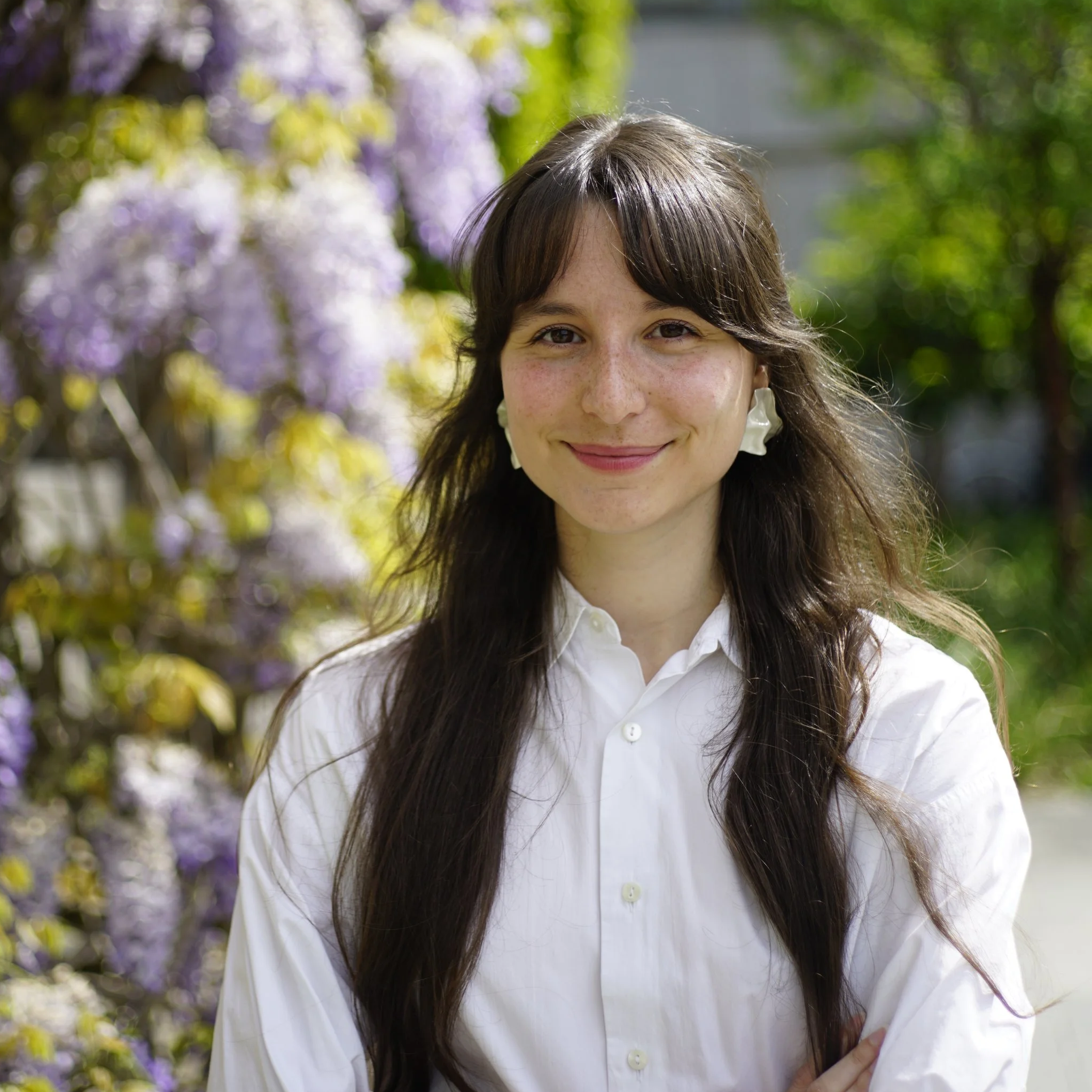
SILVIA MARINO
Engineering piezoelectric cardiac patches able to generate immunomodulatory electric fields and promote regeneration after myocardial infarction.
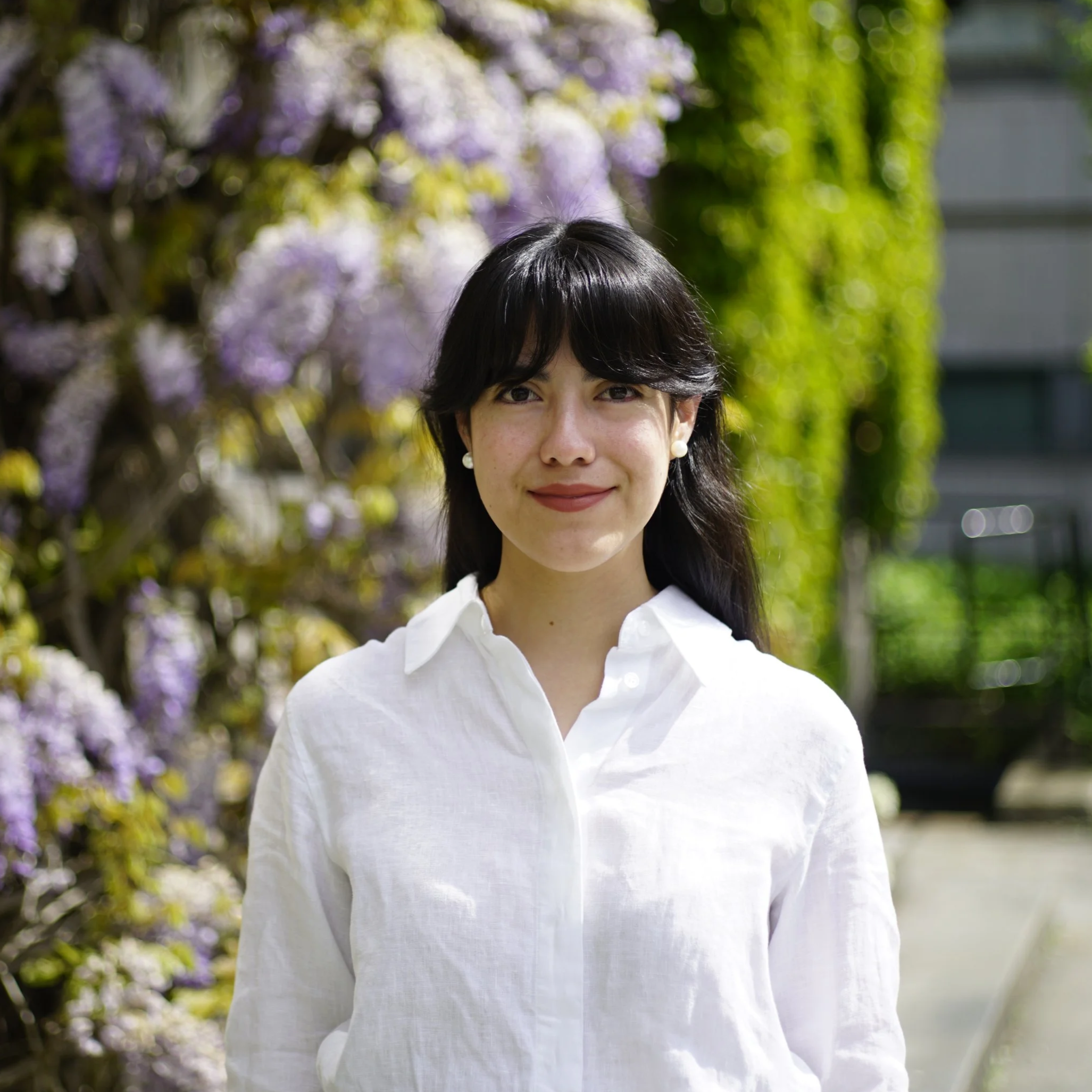
DIANA EVELINE SANCHEZ AMADOR
Designing biomaterial implants for the modulation of the foreign body response.
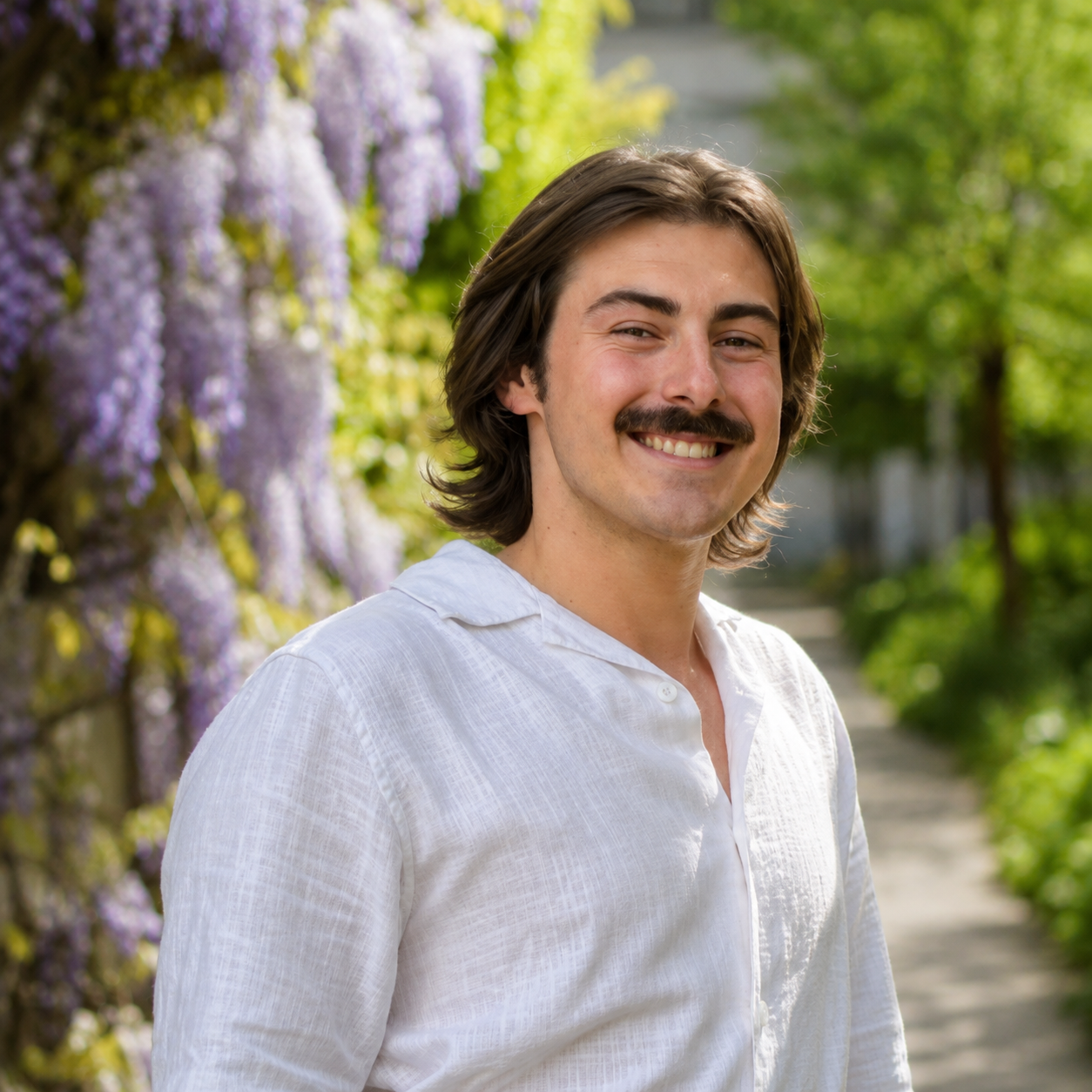
MATTEO NOSÈ
Deciphering the macrophage stiffness and metabolic adaptations to optimise the design of biomaterial implants and modulate immunity directed foreign body response.
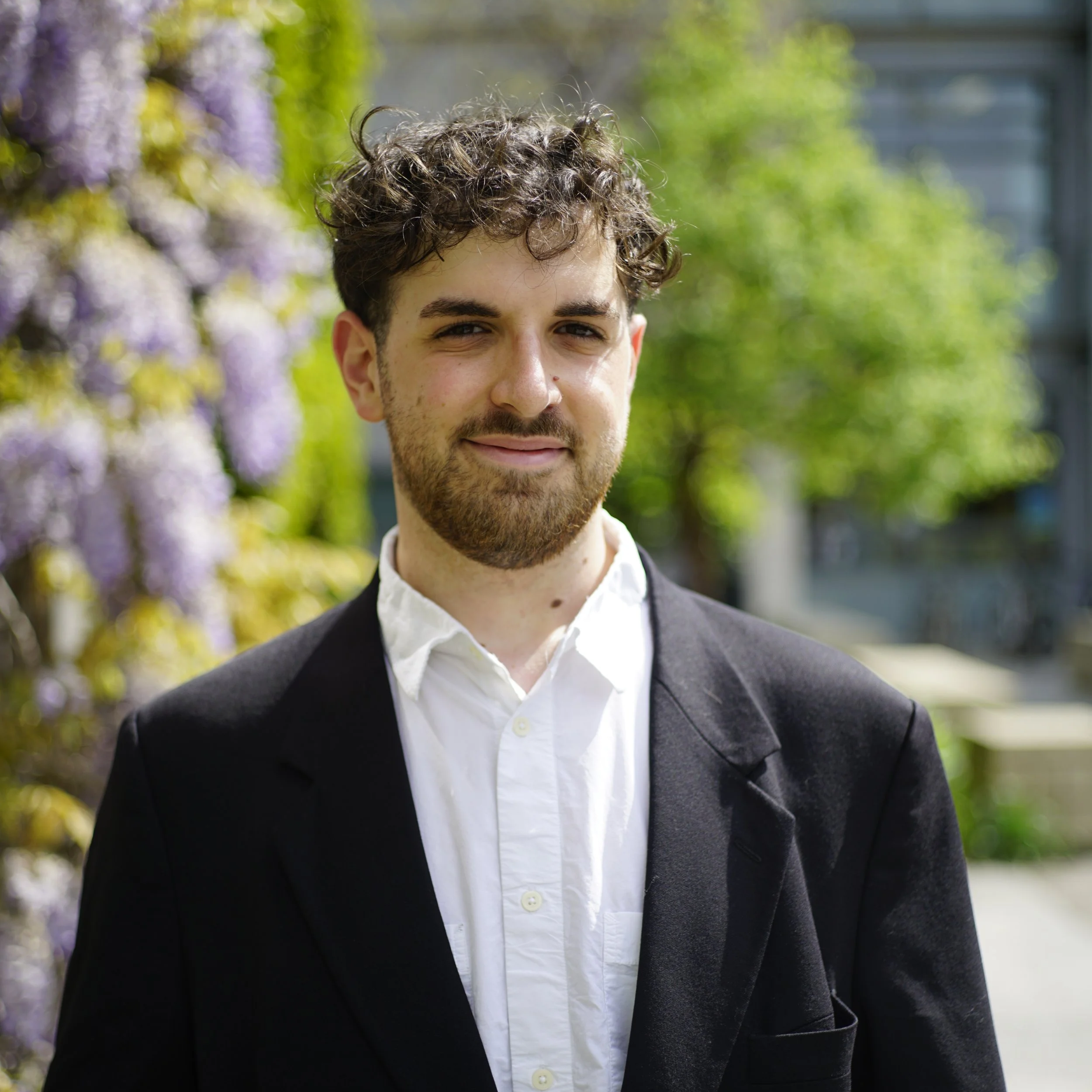
ANTONIO PELLICO
Working on finite element modelling (FEM) and drug delivery in his research.
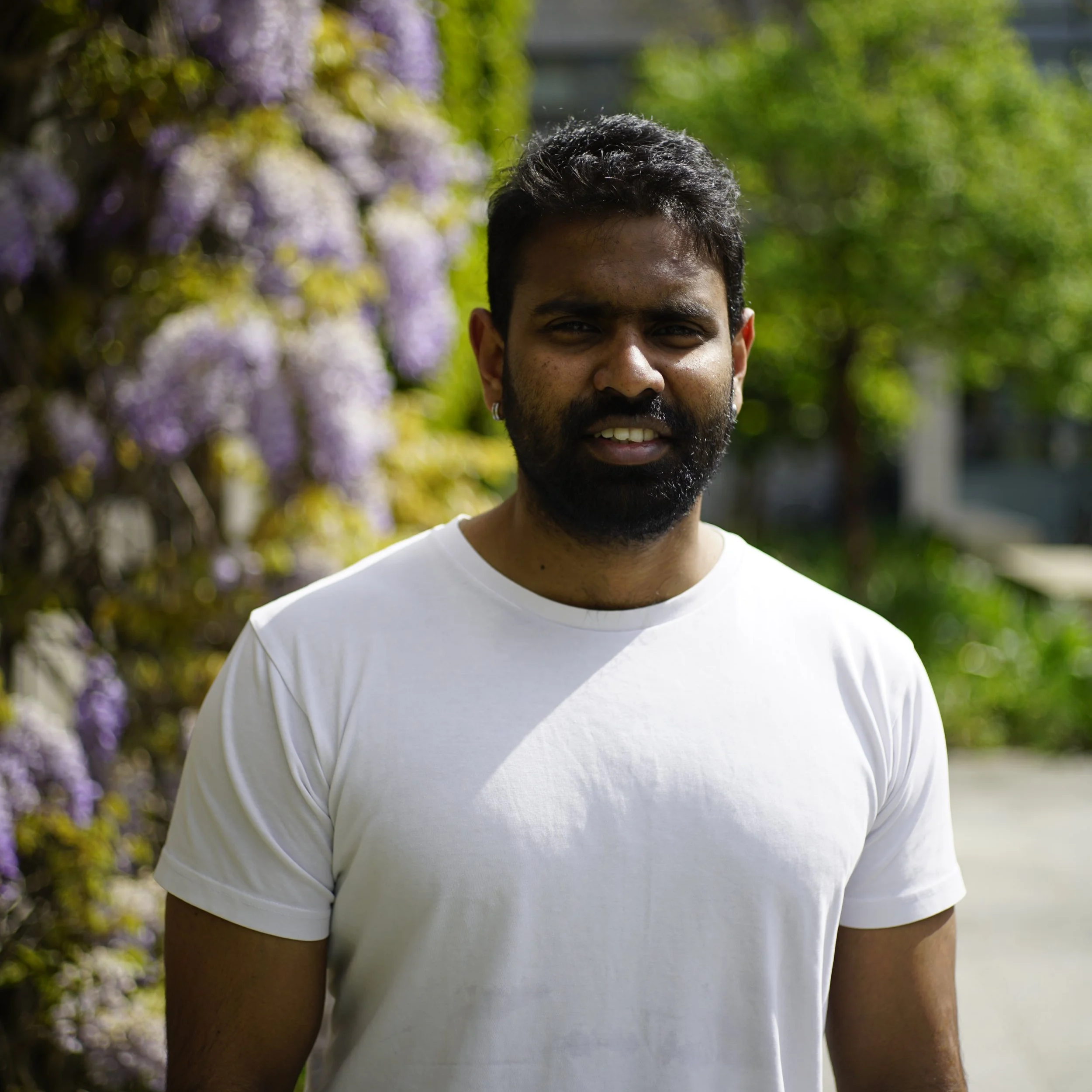
Venkataprasanna Kannan Sampathkumar
Developing a smart, piezoelectric cardiac patch for heart regeneration after myocardial infarction.
Megi Murvanidze
Focusing on sodium MRI imaging.
PROJECT/LAB MANAGER
TERESA Ruibin CAPUZ LLADRÓ
Teresa Ruibin Capuz Lladró, is graduate in International Relations and Master’s in Project Management. She has worked in a SaaS and automotive companies as a Project Manager. She has joined Monaghan lab to manage together with Prof. Monaghan the project flIMAGIN3D pertaining to Marie Sklodowska Curie Action Doctoral Network (MSCA-DN) funded by the European Union’s Horizon 2020 research and innovation programme.
Visting Students
CLINTEN MOHAN
Fabricating electroconductive biomaterials for heart regeneration as the final project for his Masters programme.
Brian Maloney
Working on scaffold fabrication, 3D culture modelling and the translation of in-vitro data into clinically relevant pre-clinical strategies
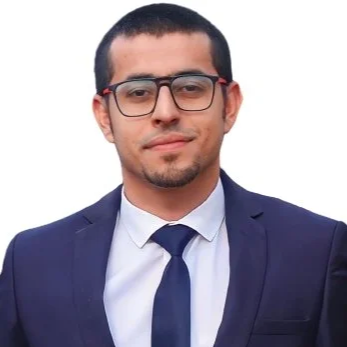
ARSLAN HAIDER
Investigating cardiomyocytes and immune cells derived from iPSCs as key sources of EVs and proteins, as well as their therapeutic potential in in vitro models of ischemia/reperfusion injury.
Conor Delaney
Focusing on generating anisotropic piezoelectric polymer scaffolds and studying their electromechanical performance